Repositioning the Marketing Communications Industry for the Next Frontier
Every industry eventually reaches a point where the old map no longer matches the terrain. Marketing communications is at that point now. The tools have changed, the audiences have changed, and the expectations placed on both brands and agencies have changed with them.
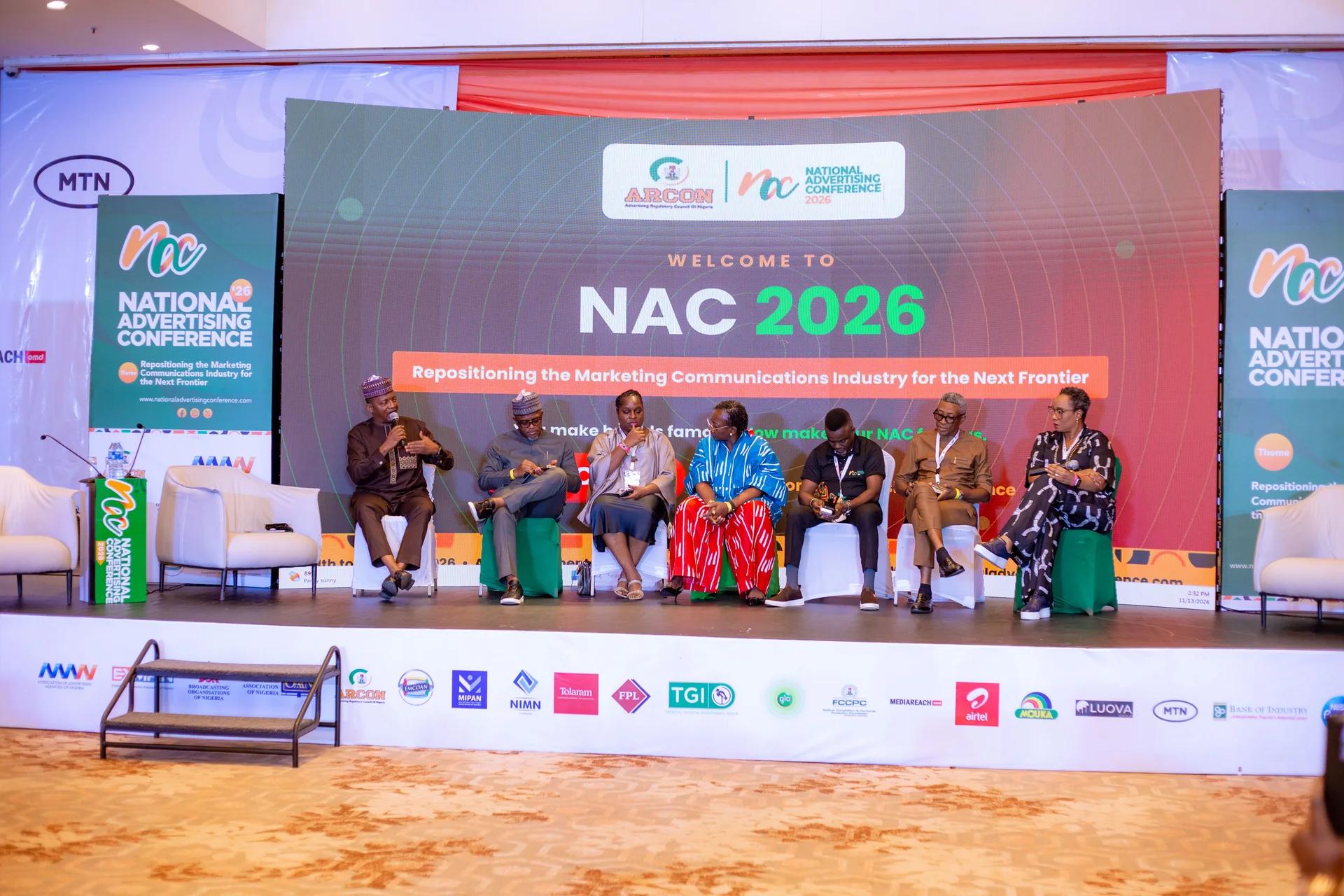
That is why the theme of this year's National Advertising Conference, NAC 2026, matters: Repositioning the Marketing Communications Industry for the Next Frontier.
This theme deserves more than applause. It deserves to be unpacked. What does it actually mean to reposition an industry, and what does the next frontier ask of those of us who work in it?
In brand strategy, positioning is the deliberate act of deciding where you stand in the minds of the people who matter to you, and why that place is worth occupying.
Repositioning is what happens when the ground shifts and the old position no longer holds. It is not just a new logo, a fresh tagline or a louder campaign. It is a harder question: given who we serve and the world we now operate in, what should we be known for?
For years, the value of the industry was often measured by just visibility: how many people saw the message, how widely it travelled, how loudly it landed. Don’t get it wrong, those measures still have a place. But they no longer define the work, and they no longer satisfy the clients and audiences we serve.
The next frontier is not simply a new platform or technology. It is a different standard of value.
Clients want strategy. Audiences want relevance. And the industry has to prove, through the quality of its thinking, that it deserves a seat at the table where business decisions are made.
It is important to understand that three changes sit at the centre of this conversation.
- Audiences are sharper. People are more informed, more selective and quicker to recognise when a brand is performing rather than being sincere. Attention is harder to earn, and trust is harder to win back once it is lost.
- Clients expect more. The brief is no longer "make us visible." It is "we want to last 10 years down the line." Brands want partners who understand their business, anticipate their challenges and connect communication to real outcomes.
- Brands are judged everywhere, all at once. A brand is no longer assessed by its advertising alone. It is judged by its tone on social media, its response to a crisis, its conduct at an event, the way its leadership speaks and the consistency between all of these.
When these three shifts combine, the old model of communications as a series of separate campaigns begins to strain. What replaces it is something closer to architecture: a structure that is designed to last.
In our work across media and entertainment, culture and creative industries, impact and development, and corporate and professional brands, we have seen a pattern. The brands and agencies that are ready for what comes next tend to do four things well.
Clear positioning is the foundation of everything else. A brand that cannot say, simply and confidently, who it serves and what it stands for will always be at the mercy of what is trending. For agencies, the same is true. Repositioning the industry means each of us being clear about the value we bring, and moving from being seen as executors of tasks to being trusted as architects of reputation and growth.
Intentional positioning also requires the discipline to say no: to the opportunity that does not fit, the platform, that does not serve the audience and the message, that does not reflect the brand. Focus is not a limitation.
Demographics describe an audience. But do they explain it? The next frontier demands a closer reading of what people care about, how they consume information, what they trust and what they ignore. This means listening before speaking, and letting research, conversation and observation shape the work rather than assumptions.
In practice, the strongest communication starts from the audience's reality, not the brand's agenda.
Consistency is one of the most underrated assets in communications. It is not about repeating the same message endlessly. It is about ensuring that a brand's voice, values and visual identity feel coherent wherever someone meets it, whether that is a press release, a LinkedIn post, a keynote speech or a client meeting.
In the media environment, consistency is what allows a brand to be recognised and remembered. Inconsistency, on the other hand, quietly erodes credibility.
The market will keep moving. New channels will emerge, new formats will gain traction and audience habits will keep evolving. Adaptability is therefore not optional. But there is a difference between adapting and drifting. The brands that thrive are those that change how they communicate while keeping firm hold of who they are.
The test is simple: if the platform disappeared tomorrow, would the brand still know what it stands for?
For agencies, repositioning begins with an honest look at our own role. The industry's future cannot be secured by doing the same work faster. It will be secured by doing more meaningful work: grounding creativity in strategy, measuring what matters and taking responsibility for the long-term health of the brands we serve.
It also means investing in people. The next frontier needs communicators who can think commercially, write clearly, read data, understand culture and manage reputation under pressure. Skill, curiosity and integrity will matter more than ever.
It is tempting to talk about the future as something that arrives on its own. It does not. The next frontier of marketing communications will be shaped by the decisions agencies make now: how clearly we position, how closely we listen, how consistently we show up and how wisely we adapt.
At Eni Brand Architect, this is the thinking we bring to every client and every conversation, including our time at the National Advertising Conference 2026. We believe a strong brand is never left to chance. It is designed, built and protected, one deliberate decision at a time.
We don't just talk about brand-building. We ARCHITECT it.